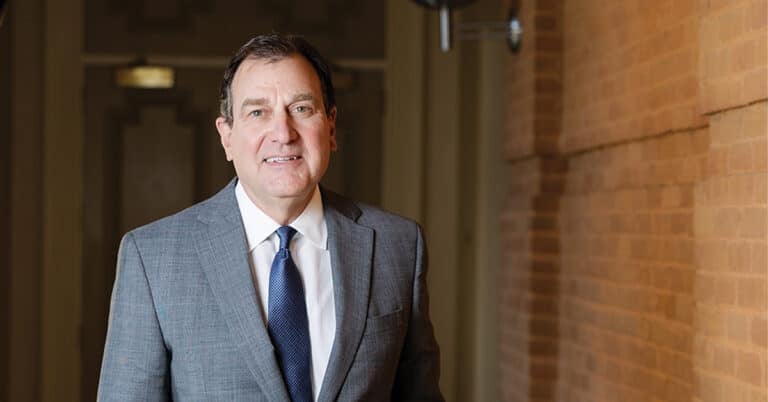


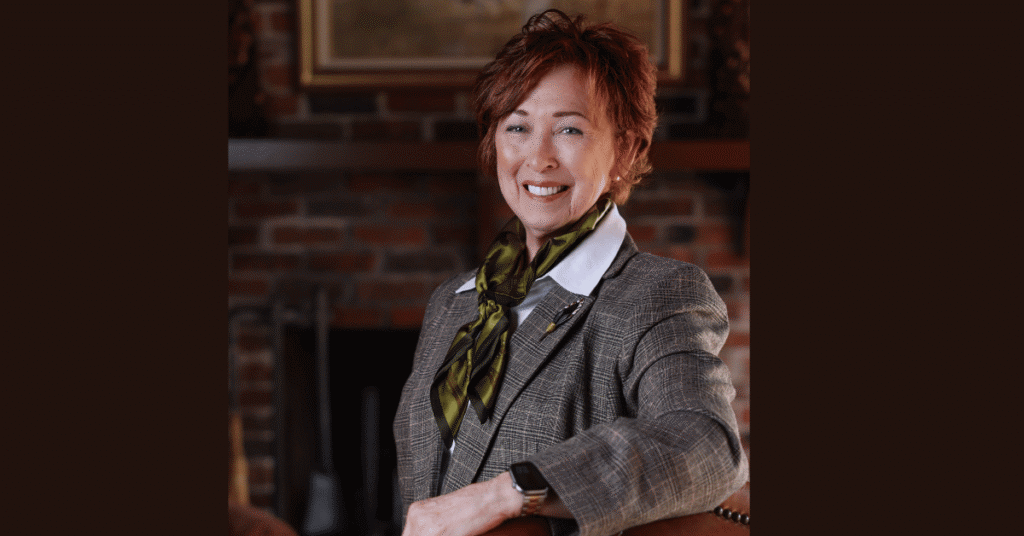
With a career spanning four decades in tourism and hospitality, Pam Swanner brings both deep industry expertise and a personal connection to Alabama’s landscapes to her role as Executive Director of Alabama Black Belt Adventures. Raised on a farm in Rogersville along the Tennessee River, Swanner’s early roots in rural Alabama shaped a lifelong appreciation for the land that would later define her work. After beginning her career in hotel sales across North Alabama and expanding her experience through leadership roles and tourism development positions in cities like Greenville and Charlotte, she ultimately returned to her home state to lead a then-new initiative focused on outdoor recreation as an economic driver. Nearly 17 years later, her leadership continues to guide the organization’s mission of elevating Alabama’s Black Belt through strategic tourism, storytelling and sustainable growth.
What is the Alabama Black Belt Adventures’ mission, and why is it so important?
Initially, Alabama Black Belt Adventures focused on inviting outdoor enthusiasts to enjoy world-class hunting, fishing and other pursuits, but its mission has evolved to embrace all tourism assets, including cultural heritage and authentic experiences—telling the full story of the Black Belt through its land, wildlife, people, flavors and artistry. This broader approach deepens how the region is experienced and understood, positioning it as more than a destination but a meaningful journey shaped by Civil Rights landmarks and rich creative traditions alongside outdoor recreation. At the same time, the mission supports local communities by driving tourism that sustains small businesses, preserves traditions and creates economic opportunity, reinforcing stewardship of both natural resources and cultural identity. Ultimately, the organization exists to connect people to a place where nature, history, food and art are inseparable—ensuring its legacy thrives for generations while fostering sustainable economic development for the communities it serves.
What makes the Black Belt a premier destination for hunters, anglers and outdoor enthusiasts?
Alabama’s Black Belt region is defined by its rich, dark prairie soil—an ancient foundation that extends beyond agriculture to support a mosaic of habitats, from hardwood bottoms and longleaf pine uplands to winding rivers, lakes and wetlands, creating one of the most biologically diverse landscapes in the Southeast. For hunters, this diversity sustains thriving populations of game—white-tailed deer, wild turkey, bobwhite quail and waterfowl—allowing for longer seasons and more generous bag limits across varied terrain, while anglers benefit from year-round opportunities in waterways like the Alabama, Black Warrior, Chattahoochee and Tombigbee rivers, which are teeming with bass, crappie and catfish. What truly sets the Black Belt apart, however, is its balance between wild abundance and authentic access, made possible through generations of stewardship by organizations like the Alabama Department of Conservation and Natural Resources, Alabama State Lands and the Alabama Wildlife Federation, alongside local outfitters and public lands that invite visitors into a deep connection with nature.
When did you first recognize that outdoor recreation could be a serious economic driver for rural Alabama?
During my first few months with Alabama Black Belt Adventures, it became clear that outdoor recreation was more than a pastime—it was a powerful economic driver for rural Alabama, supported by vast natural assets like forested land, miles of waterways and more than fifty commercial outfitters offering full-service hunting and fishing experiences. Just as striking was that people of all ages and backgrounds had grown up hunting and fishing, reflecting a deeply rooted way of life tied to both identity and livelihood. A defining moment came when I saw a billboard outside Selma reading “Hunters Welcome,” a simple message that captured how fully communities embrace and depend on outdoor recreation. It was then I realized that nature-based tourism was already fueling local economies, and that the opportunity—and responsibility—for the organization was to build on that foundation with a strategic approach that invites others, especially beyond Alabama, to experience the region’s natural bounty and way of life.
What tangible economic impact have you seen in small towns as a result of nature and cultural tourism?
The town of Greensboro hosts the Alabama Audubon’s Black Belt Birding Festival, which has sold-out tours each year—now in its sixth year—drawing participants from more than 14 states, along with national attention and new residents investing in lodging, restaurants and retail. Meanwhile, the art communities of Camden, Selma and Gee’s Bend are offering curated experiences that attract visitors from across the country and internationally, spurring growth in local businesses, while areas along County Road 29, including Alberta and Gee’s Bend, are planning expanded tourism infrastructure. Other communities like Demopolis and Eufaula leverage their locations along major rivers to boost fishing tourism, driving investment in boutique hotels, restaurants and retail.
PULL OUT: Economic impact studies commissioned by Alabama Black Belt Adventures—including research by economist Keivan Deravi—show hunting and fishing visitation grew from $1.3 billion in 2020 to $1.9 billion in 2023, with broader tourism across the region’s 23 counties reaching a $3.8 billion impact, reinforcing that in small towns, nature tourism and cultural amenities don’t just add to the economy—they often anchor it.
How do you balance the environment and services with increased tourism and visitor growth?
While it would be a destination marketing organization’s dream to face that challenge, proper planning is crucial so you aren’t limiting growth, but guiding it with intention. The goal should be making sure quality over quantity becomes the guiding principle, so the focus is not about pursuing high-volume tourism, but on attracting visitors who value authenticity—those who appreciate conservation ethics, respect the environment and seek meaningful, immersive experiences. Responsible marketing educates potential visitors so they better understand our story and are far more likely to respect and protect it.
What misconceptions about the Alabama Black Belt do you find yourself working hardest to change?
While the region has faced real economic challenges, that narrative often overlooks its greatest strengths—its ecological richness, deep cultural heritage and vibrant community of artists, makers and storytellers. It delivers a depth of experience that rivals better-known destinations for hunting, fishing, birding, Civil Rights history and landmarks and immersive, curated experiences that can only be found in Alabama’s Black Belt.
What is one outdoor or cultural experience in the Black Belt that you believe every Alabamian should have at least once?
Don’t miss the excitement and adrenaline rush when a wild turkey gobbles in answer to your call on an early morning hunt, or the pleasure of Chef Scott Peacock’s “Biscuit Experience,” which is both a history lesson and the most delicious biscuit you’ll ever have. Seriously!
Looking ahead, where do you see the greatest opportunity for growth in the region?
While the region has experienced steady growth over the years, two significant developments now underway are poised to elevate the Black Belt’s visibility and place it at the forefront of travelers’ minds as a top destination for an immersive cultural experience. The Alabama Black Belt National Heritage Area designation, named by Congress two years ago, gives this region enormous leverage for increasing national and international visitation once in place. We also had the good fortune of having one of the world’s top sustainable eco-tourism experts, Costas Christ and his team, conduct a year-long reconnaissance of our assets and provide advice and guidance on new product development.
Personal Matters:
Main Motivation: Tourism is an industry that is fun, fulfilling and rewarding on so many levels, and there is never a day that looks the same. It’s the challenges, the support of a fully engaged board of directors and the most amazing business relationships and friendships I’ve been blessed with over the years that make it all worthwhile.
Out of Office: I enjoy cooking and, on occasion, dining out to savor fine culinary creations. As an amateur watercolor artist, I also enjoy honing my skills painting wildlife feathers.
Recommended Read: I’m currently reading the just-released fictional story, Judge Stone, set in the Black Belt community of Union Springs, Alabama. It’s co-authored by the well-known James Patterson and Viola Davis and is being compared with To Kill a Mockingbird, and is rumored to appear on the big screen.