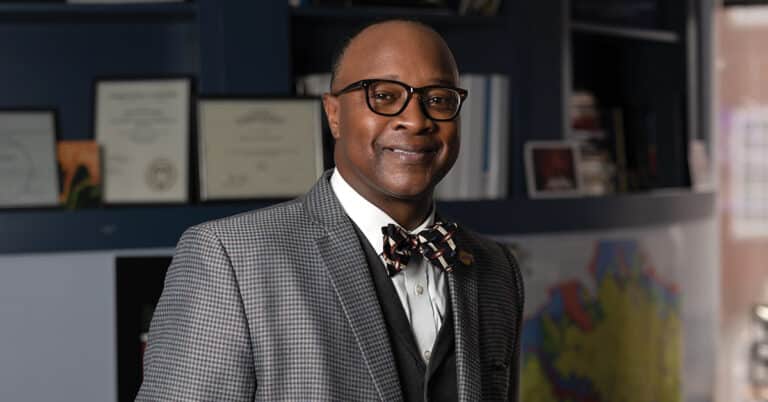



At the helm of one of the South’s most revered cultural institutions, Quin Gresham brings both vision and vitality to his role as Artistic Director of the Alabama Shakespeare Festival (ASF). This calling took root for Gresham as a teenager in an amateur production of The Sound of Music, where an unexpected moment on stage revealed firsthand the electric connection between performer and audience, sparking a lifelong understanding of theatre’s unique power—and eventually leading him to discover his own voice as a director. Today, Gresham shapes and safeguards ASF’s artistic vision, selecting stories that resonate and promote creativity and collaboration. With deep roots in Southern storytelling and a passion for Shakespeare, Gresham is guiding the theatre into a bold, inclusive future where audience members from all walks of life feel welcome and represented.
What is ASF’s history and how long has it been a staple in Montgomery?
ASF has been a gathering place for world-class theatre right here in Montgomery for students, families, tourists and locals alike for forty years, ever since the theatre made the historic move from Anniston, thanks to a transformative gift from the Blount family—at the time, the single largest gift ever given to an arts organization in the United States.
How would you describe ASF’s impact within the River Region?
I’d say ASF is more than a world-class theatre—we’re also an engine for creativity, education and economic impact. We bring people together from all walks of life to experience live storytelling, and we are simultaneously a major educational resource: Thousands of students see their first professional play at ASF and attend various camps, classes and workshops throughout the year.
What do you think surprises people most about ASF once they experience it, and what makes it so special?
People are often surprised by the scope of our work, which exists on a larger scale than what Montgomery’s population might suggest is possible. The uninitiated walk through our doors and are shocked to see productions that rival what they’d find in major theatre cities. But our productions are performed with an intimacy and warmth that makes them feel incredibly personal as well.
How do you choose which stories ASF tells—and how do you ensure they resonate with both local and visiting audiences?
We aim to balance Shakespeare’s timeless work with new plays, bold adaptations and community-centered stories. We look for stories that spark conversation, that connect people to each other and to big ideas. I think about our diverse community and ask myself: Whose stories are missing? Who will see themselves reflected here? And how are those different communities represented? Theatre and theatre audiences are always evolving, and our programming should reflect that.
Can you elaborate on what happens behind the stage?
It’s an entire ecosystem. Beyond what you see on stage, there’s an army of artists, artisans, technicians and administrators working to make it happen. Costumes are built by hand in our shops. Sets are constructed and painted right here. Lighting and sound are meticulously planned. Rehearsals can take weeks of exploration. Then there’s marketing, ticketing, fundraising, educational outreach—it truly takes a village to bring a single production to life.
How do you measure success in an arts organization where impact goes beyond ticket sales?
Ticket sales matter, of course, as they are the easiest measure of how fulsome our engagement is, but they aren’t the whole story. I measure success by the conversations that happen in the lobby, the students who see their first play and feel inspired the partnerships we build in our community. When someone tells me, “This production changed how I see the world,” that’s success.
What’s one leadership lesson you’ve learned in the theatre world that you think applies to any business?
Listen—truly listen. Whether it’s a creative idea, a challenge or feedback, the best leadership comes from collaboration and openness. Theatre is built on trust and a shared vision, and that applies to any organization that wants to thrive.
What keeps you creatively inspired—especially while handling the demands of an executive role?
I am so fortunate to work in a place where creative thought is around every turn and in every department. Walking in the building every morning is truly inspirational. I’m also inspired by our audiences. Seeing a young person lean forward in their seat, or overhearing an audience member gasp at a moment on stage always reminds me of how fortunate I am to do the work that I get to do.
Personal Matters:
- Recommended Read: Unreasonable Hospitality by Will Guidara
- On The Queue: I always enjoy listening to Credence Clearwater Revival, Led Zeppelin and The Beatles. I also have an unabashed love of funk—The Commodores, Kool and the Gang or Here Come the Mummies.
- Dinner Date: The obvious answer is William Shakespeare. I’d love to ask him what he thinks about his plays still being performed centuries later and all the different ways in which they are performed.