


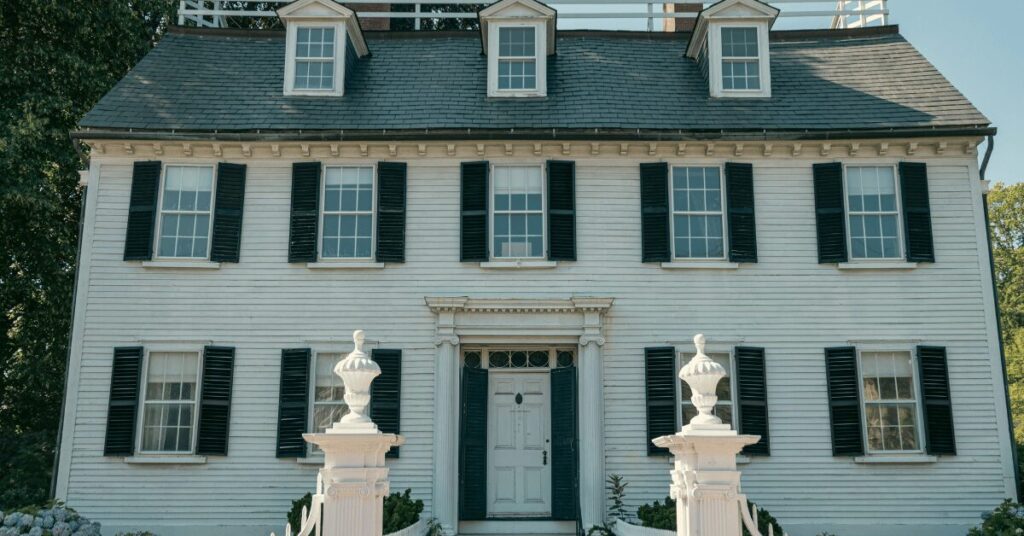
MONTGOMERY, AL – In celebration of National Preservation Month, observed each May since its establishment in 1973 by the National Trust for Historic Preservation, the Land Use Division of the Montgomery City Planning Department is proud to spotlight the City’s ongoing commitment to preserving Montgomery’s unique cultural, architectural, and social heritage.
This year’s national theme, “All People Are Created Equal,” underscores the inclusive history reflected in Montgomery’s diverse historic resources.
A centerpiece of the City’s preservation efforts is the Local Register of Historic Places, the official list of historic properties and districts designated by the City Council. National Preservation Month provides an opportunity to highlight the social, cultural, and economic value of these irreplaceable resources and the role they play in strengthening community identity.
The Local Register of Historic Places Features
• 75 local landmarks
• Lower Commerce Street Historic District
• Old Alabama Town, managed by the Landmarks Foundation of Montgomery
• Seven residential neighborhoods designated as historic districts
Examples of Designated Local Landmarks
• Dexter Avenue King Memorial Baptist Church (English Renaissance style), 454 Dexter Avenue
• Dexter Avenue Baptist Church Parsonage (Folk Victorian), 309 S. Jackson Street
• Scott Street Firehouse (Italianate), 418 Scott Street
• Tulane Building (Queen Anne), 800 High Street
• Owens‑Ware‑Teague House (Greek Revival), 468 S. Perry Street
How the Process Works
The Historic Preservation Commission (HPC) oversees the identification and evaluation of properties – typically those over 50 years old – that demonstrate historic, cultural, or architectural significance.
• If a nominated property or group of properties meets the City’s designation criteria, the HPC recommends them to the City Council for official historic designation.
• Individual sites may become local historic landmarks, while collections of properties may become historic districts.
• Once designated, exterior changes to these properties must be reviewed and approved by the Architectural Review Board (ARB), following regulations outlined in Chapter 15 of the City Code, ensuring long‑term preservation and appropriate stewardship.
Why It Matters
Local historic designation provides measurable and community‑wide benefits, including:
• Increased community pride and local identity
• Strong real estate performance and lower foreclosure rates
• Economic development through revitalization and adaptive reuse
• Job creation and small‑business support
• Growth in heritage tourism and environmentally sustainable development
• Preservation of neighborhood character and architectural integrity
Designation Criteria
To qualify for local historic designation, a property or district must meet at least one of the following standards:
- Association with significant cultural, political, economic, military, or social history
- Connection to the life of a historic person or major historic event
- Contribution to the city’s historic, architectural, archaeological, or aesthetic heritage
- Representation of a unique or exemplary architectural style
Interested in Nominating a Property?
Residents who believe their property may be historic, or groups interested in nominating a potential historic district, are encouraged to contact:
Shaun Rose
Historic Preservation Coordinator
Phone: (334) 625‑2041
Email: [email protected]